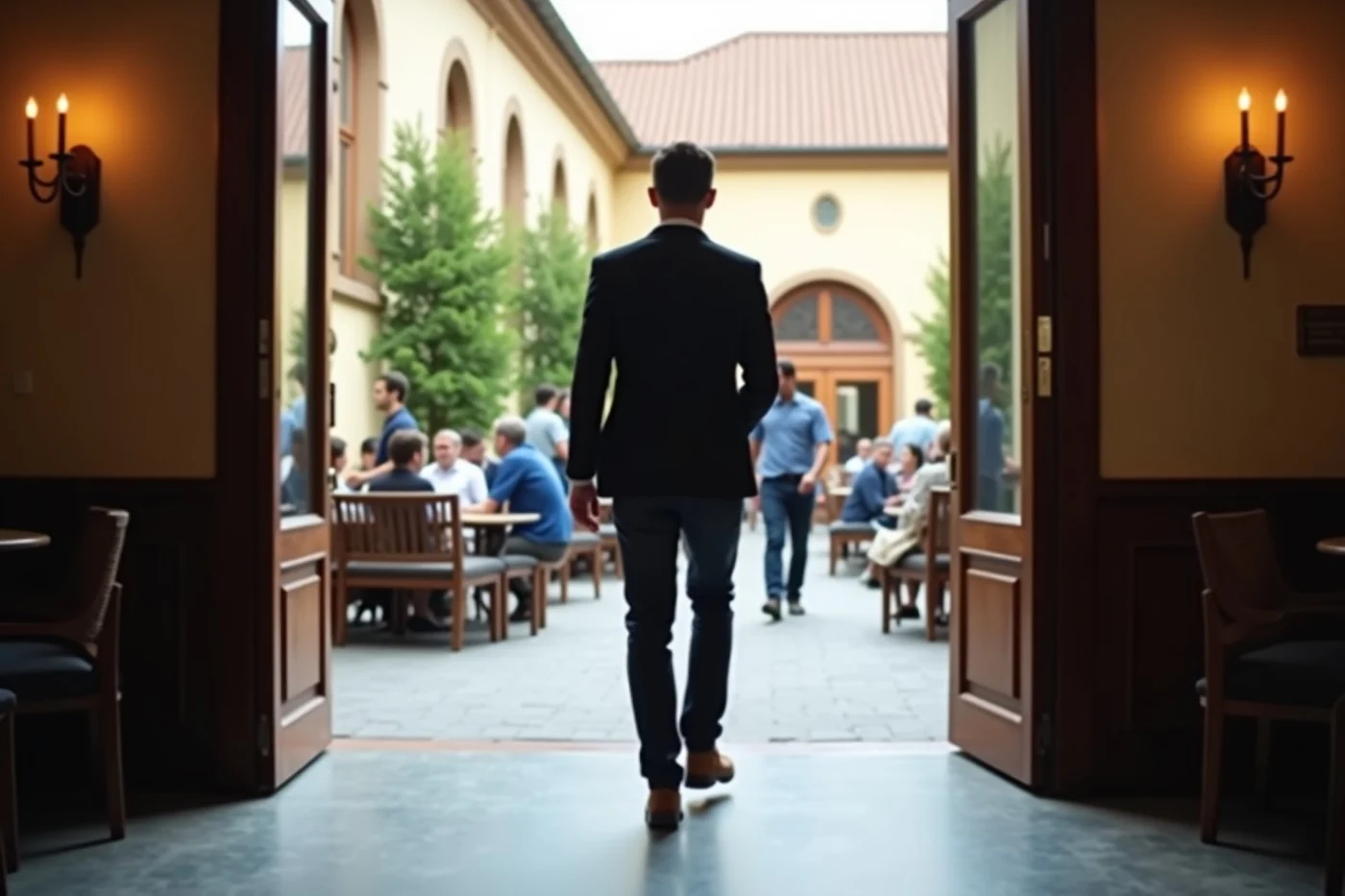
Meeting an online partner face to face is exciting, but a first date is not the moment to hand over your transportation, lodging, or judgment. In the United States, stay safer by verifying basic identity details, meeting in a staffed public place, arranging your own way in and out, and giving one trusted person a timed check-in plan. None of this guarantees safety. It does give you room to leave the moment the situation changes.
Verify What You Can Without Treating Verification as a Guarantee

A live video call before any trip is the minimum sensible screen. Look for basic details that stay consistent across conversations: name, approximate age, work or school context, current city, and the person shown on video. A reverse-image search of profile photos and a check of publicly available profiles can expose copied images or a recycled identity.
These checks catch some obvious lies; they do not establish trust or predict conduct in person. Someone may present real identification and still ignore a boundary. Keep private data—your home address, workplace access, financial information, and full travel itinerary—out of the verification exchange.
Keep the First Meeting Public and Preserve Your Independence
- Choose a busy public location
- Use independent transportation
- Reserve separate lodging for an overnight trip
- Give one trusted contact the full plan
- Set exact check-in times
Set Boundaries and Decide in Advance How You Will Leave

Set boundaries before you reach the arrival hall, parking lot, or first drink. State limits plainly for alcohol, physical contact, a change of venue, photographs, social-media posting, and any overnight expectation. RAINN's online-dating safety guidance also emphasizes planning for boundaries and leaving an uncomfortable or unsafe situation. Someone who argues with a stated limit is providing information you need; politeness is not the issue.
An exit plan needs no permission from your date. A charged phone, money or a working payment method, your own room or ride, and a trusted contact's number remove the need to negotiate a departure. Venue staff are an appropriate resource when you want company while leaving. Keep your drink with you and avoid becoming too impaired to use your plan.
Respond Promptly When Behavior Makes You Feel Unsafe
Unsafe behavior does not need to rise to a dramatic threat before you leave. Go when they refuse to respect a no, press for alcohol or a private location, block your path, grab your phone or belongings, become angry about a check-in, or reveal major identity inconsistencies. A trusted online connection does not excuse any of it. Ask venue staff to help you reach a safe public area or your transportation.
Immediate danger in the United States calls for 911. Once you are safe, use the dating platform's reporting tools for harassment, impersonation, or other conduct that violates its rules, and retain relevant messages and profile details. A request for money, gifts, account access, or financial information points to a possible romance scam: report it through the FTC's ReportFraud.gov and review FBI romance-scam guidance. Local police nonemergency options and support services vary with the location and urgency.
The first meeting is not a test of how much discomfort you will overlook. Before travel, your plan should include a public venue, an independent return route, separate lodging when needed, a contact plan, and firm limits. A plan that requires secrecy or surrendering your way home warrants postponement.
Useful official links
- Online Dating and Dating App Safety Tips — RAINN
- What To Know About Romance Scams — Federal Trade Commission
- ReportFraud.ftc.gov — Federal Trade Commission
- Calling 911 — National 911 Program
- Romance Scams — Federal Bureau of Investigation